








Tiny Bunny

 Loading...
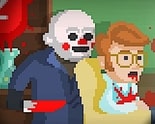


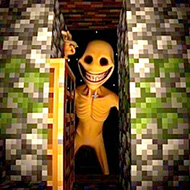
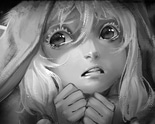
You step off the bus into a village you barely recognize from your mother’s old photos, and before you’ve unpacked, a neighbor mentions a boy from the local school vanished near the treeline. That’s the quiet horror at the center of Tiny Bunny: nothing jumps out at you, yet the forest outside your window feels wrong from the first evening. You play as Anton, moved to a remote village bordering woodland in the late 1990s, pulled into a mystery about missing children the adults would rather not discuss.
| Genre | Point-and-click horror visual novel |
| Setting | Remote village bordering a forest, late 1990s |
| Playable Character | Anton |
| Structure | Five episodes, branching choices, multiple endings |
| Art Style | Monochrome, pencil-sketch illustration |
Anton’s First Days in Tiny Bunny’s Village
The opening stretch plays like an ordinary story about starting over. Anton meets his sister Olya, gets pulled into small school dramas, and notices Polina, who takes an interest in him, plus Romka and Byasha, soon his friends. None of it feels like horror at first: mundane scenes make a later strange moment, like a masked girl named Alisa at the woods’ edge, land harder than any jump scare.
Beginners often misread the pacing as slow and click through dialogue without noticing details. Rooms here are meant to be examined, not skimmed. Interactive items give a sound cue under the cursor, and missing it means missing clues tied to names and disappearances later.
Once Anton learns a reward is offered for finding the missing boy, his motivation clicks. He and Olya have dreamed of a trip that money could fund, and that want pulls him toward danger the adults keep ignoring.
Owl, Hare Lip, and the Village’s Buried Secrets
Tiny Bunny leans on folklore and superstition, and named figures like Owl and the unsettling Hare Lip aren’t filler. They tie into the missing-children thread and who you trust, and treating them as flavor means missing tissue that resurfaces later.
Investigation works through point-and-click exploration: you walk Anton through the village, school, and forest edge, clicking objects and people for dialogue or clues. There’s no combat or fail state; tension comes from what you say, to whom, and when.
One detail only clicks after a session or two. Small talk with Romka or Byasha gets referenced by name later, a confidence many horror visual novels skip.
Choices That Echo Across Tiny Bunny’s Five Episodes
- Choices with Polina and Alisa shift how much they trust Anton, changing what they share.
- Certain decisions lock out achievements or endings, so one playthrough won’t reveal it all.
- Consequences can surface an episode later, so you rarely know which choice mattered at once.
Across five episodes, from “Come, Owl” through “Bunny, Tasty Meals Prepare!”, Tiny Bunny tracks who Anton helped, ignored, or lied to. Achievement hunters chasing all 102 unlockables replay chapters for a missed branch.
New players often assume the kindest option is correct. Sometimes honesty costs information, and staying quiet keeps a character alive long enough to matter by episode four.
Why Episode Five’s Twist Splits the Fandom
By the later chapters, Tiny Bunny has built Anton’s relationships so thoroughly that the episode five reveal splits opinion. Some feel it recontextualizes earlier episodes well, others feel it trades coherence for shock value.
Reception isn’t uniformly glowing. The long wait between episode three and four, then again before five, cooled momentum and left the finale uneven for returning players.
Still, watching Owl and Hare Lip’s roles click into place means players often land on a different ending than a friend who played alongside them. That keeps the community comparing notes long after credits roll.
Is Tiny Bunny based on a real story?
Tiny Bunny adapts a short story into a visual novel centered on Anton and the missing children in his village. Its point-and-click structure has you explore the forest edge for clues that tie those disappearances together.
How many endings does Tiny Bunny have?
By episode five’s close, Tiny Bunny offers twenty endings shaped by choices with Polina and Alisa, plus 102 achievements. Reaching most means replaying chapters to test different calls with Romka and Byasha.
Do you need to replay Tiny Bunny to see everything?
Yes. Choices in one episode can silently affect scenes an episode later, so players revisit chapters to catch branches involving Romka, Byasha, or Hare Lip missed on a first run.
Tiny Bunny isn’t a game you finish once and set aside; it’s one you circle back to, chasing the branch where Alisa removes her fox mask or where Anton makes a different call about Hare Lip. That habit of returning keeps this monochrome story lingering with players long after episode five ends.
Comments
There are no reviews yet. Be the first one to write one.
