






Storyteller

 Loading...


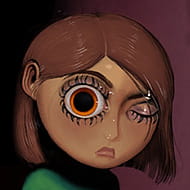
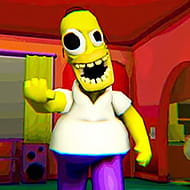

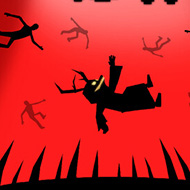


You drag Dracula into an empty panel next to Snow White, tap a coffin into the background, and the caption above the page quietly rewrites itself to match what you just built. That’s the premise of Storyteller: a short, often darkly funny headline, a cast of storybook figures, and empty comic panels you must arrange until the panels make that headline true. Nothing is explained through menus — you learn the rules by dragging pieces around and watching what happens.
| Genre | Narrative puzzle game |
| Format | Wordless comic panels arranged across numbered chapters |
| Core Mechanic | Placing characters and objects to fulfill a given story prompt |
| Structure | Fourteen chapters, each broken into several short parts |
Turning a Headline Into a Comic Panel in Storyteller
Every chapter opens with a short line of text above a row of blank panels — a headline for a story not yet drawn. Your job is to fill those panels with characters and props from a tray below, dragging figures like Romeo, Juliet, or Dracula into scenes until the caption confirms the story matches what it asked for.
What makes this satisfying rather than fiddly is how reactive the panels are. Move a poison bottle before a wedding panel instead of after, and the meaning of the sequence flips.
Early chapters keep the cast small and prompts direct. That’s deliberate — by the time more figures stack up, you’ve internalized the grammar of how a placed character changes everything around it.
Dracula, Snow White, and Characters Who Play Against Type
Part of what makes replaying Storyteller worthwhile is how differently the same figure behaves depending on where you drop them. Characters drawn from familiar tales appear throughout the fourteen chapters, and the fun comes from realizing how flexible they are:
- Dracula, who can just as easily be a lonely widower as a predator
- Snow White, whose fate shifts depending on who else shares her panel
- Prince Charming, whose happy-ending role can be subverted with the wrong pairing
- Adam and Eve, whose earliest chapter turns one garden into several outcomes
Players compare notes on which casting surprised them most, since the same figure rarely plays the same role twice.
None of this is explained upfront, which is unusual for a puzzle game. You find it by testing a hunch and watching the caption confirm it was the intended twist all along.
What Beginners Miss About Order and Placement in Storyteller
The most common mistake newer players make is treating panel order like an afterthought, dragging pieces in wherever there’s room rather than thinking about sequence. Since Storyteller reads panels left to right as cause and effect, placing a death scene before its cause produces a completely different, unintended story.
Sequence errors are usually where a solved-looking page still won’t satisfy the prompt. The fix is rarely adding a new element — it’s almost always swapping the order of two panels already correct on their own.
Once that lesson clicks, later chapters stop feeling like guesswork. You’re building toward an outcome deliberately rather than hunting for one by accident.
Ghosts Still Have a Part to Play
One of the more memorable systems is what happens after a character dies within a story: rather than being removed, they become a ghost. Ghosts can still be placed into panels to influence scenes among the living, turning death into another tool for shaping the next panel.
This is also where some divisive puzzle solutions live. Certain prompts require killing a character early so their ghost can appear later, catching players off guard.
By the time a ghost mechanic shows up in a Dracula chapter, most players have stopped being surprised by death. It’s just another resource by then, not a shock.
- How many chapters does Storyteller have? There are fourteen chapters total, each split into shorter parts, moving from simple prompts with figures like Adam and Eve toward layered ones built around Dracula.
- What happens when a character dies in Storyteller? They become a ghost rather than disappearing, and that ghost can still be dragged into panels to affect scenes involving the living cast.
- Is there more than one way to solve a puzzle in Storyteller? Often yes — the same headline can usually be satisfied through more than one arrangement of characters, part of why replaying earlier chapters feels worthwhile.
Storyteller keeps working long after its opening chapters because it never stops trusting players to find the story rather than being told it, whether that means recasting Dracula against type or bringing a dead character back as a ghost to finish a scene. Once you’ve placed a panel and watched a headline rewrite itself, it stops feeling like a puzzle with one answer and starts feeling like stories waiting to be noticed.
Comments
There are no reviews yet. Be the first one to write one.