





Foreborn

 Loading...

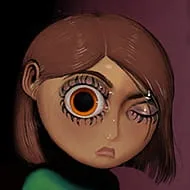






Foreborn looks like a quiet, almost clinical simulation experience from its opening minutes, but it plays like something closer to a psychological trap you agreed to walk into voluntarily. You’re not fighting to survive here — you’re deciding whether surviving is even something you want.
The Premise Foreborn Builds Its Horror Around
The setup is simple to state and uncomfortable to sit with: in a future built on advanced simulation technology, unborn souls are shown a preview of their entire future life and asked to choose whether they want to be born into it at all. Foreborn hands you that choice directly, and the simulation you’re shown doesn’t play out as a clean, reassuring highlight reel. Instead it moves through ordinary, almost mundane moments of a life, letting dread build through familiarity rather than spectacle, which is a deliberate departure from how most short horror games on itch.io front-load their scares.
Runtime sits at roughly twenty-five minutes for a full playthrough, which is short by most horror-game standards, but the game leans on that shortness deliberately. There’s no padding here — every scene you’re shown during the simulation is meant to inform the decision waiting at the end, and replaying it to see a different branch is part of how most players actually experience the game. Players who favor tightly-paced narrative horror over longer survival formats tend to single out this runtime as one of Foreborn’s biggest strengths, since nothing in the twenty-five minutes feels like filler once you understand how the choices interlock.
Mellow is the character players end up discussing most once the credits roll, since her role shifts dramatically depending on which choices you make during the simulation. Comment sections are full of players comparing notes on when they first realized something about her didn’t add up, and disagreements over how her motivations actually work are still ongoing in the community. Story-focused players in particular tend to replay the game specifically to re-examine Mellow’s dialogue once they already know how her arc resolves, since lines that read as throwaway on a first pass often carry a different weight in hindsight.
Choices That Shape the Simulation in Foreborn
The game tracks the decisions you make during the simulated life rather than testing reflexes, which puts it closer to a branching narrative than a traditional survival horror. Beginners often assume there’s a single correct path through, and end up disappointed when their first ending feels abrupt or unresolved. That’s usually a sign they made choices without registering how much weight the simulation places on consequences carrying forward, since a decision made early in the simulated life can quietly determine which of several distinct endings becomes reachable by the final scene.
Multiple endings exist, and part of what keeps Foreborn discussed in horror-game communities after launch is how differently those endings land depending on the order choices were made in, not just which choices were picked. Some players describe entire branches as feeling deliberately unfair, which is a fair criticism of the game’s pacing toward its final stretch — the simulation doesn’t always telegraph which small decision will matter later. Players who enjoy piecing together branching narratives tend to treat this ambiguity as the whole appeal, deliberately making contradictory choices across separate playthroughs just to map out how far the story can diverge.
Foreborn sits as part of a wider anthology of short horror releases from the same team, specifically as the fourth entry in that ongoing series, and returning players familiar with the earlier entries tend to notice tonal similarities in how the simulation frames dread through mundane, everyday moments rather than overt scares. That continuity is one of the more common community vocabulary points raised in comment sections, where players compare Foreborn’s pacing directly against the earlier anthology entries rather than judging it purely on its own.
What First-Time Players Notice in the Opening Minutes
The pacing front-loads calm, ordinary simulation footage before anything unsettling appears, and that choice earns real debate. Players expecting Foreborn to open with tension immediately sometimes bounce off the first few minutes, not realizing the mundane opening is deliberately building the emotional stakes the ending relies on. Players who prefer horror that announces itself early tend to be the ones most critical of this pacing, while players drawn to slow-burn psychological horror consistently list the calm opening as the reason the eventual shift hits as hard as it does.
Sound design does a lot of quiet work here too. Small audio cues shift subtly as the simulation edges toward its more unsettling stretch, and attentive players pick up on these shifts well before the game gives any visual confirmation something is wrong — a detail that only becomes obvious once you already know what you’re listening for on a second playthrough. By the time Mellow’s role in the simulation starts to shift, players who caught those earlier audio cues tend to describe the moment as inevitable rather than surprising, which is a fairly common talking point once players start comparing first and second playthroughs.
New languages added after launch also widened who could actually sit with these details on a first attempt, since dialogue-heavy scenes like the ones involving Mellow depend heavily on precise translation to land the way they’re intended.
Foreborn earns its place in horror-game conversations by refusing to give you a villain to run from, leaving Mellow and the choice itself as the only real threats you have to face by the time the simulation ends.
Comments
There are no reviews yet. Be the first one to write one.