







Photomaly

 Loading...



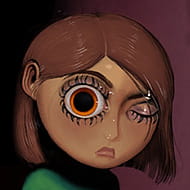


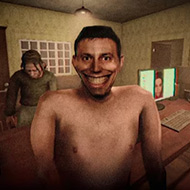
Photomaly looks like a quiet photography sim about snapping pretty shots in dim rooms, but it plays like a horror game that punishes you for pointing the camera at the wrong thing. You’re never handed a weapon or a health meter — the only tool you carry through the dark is a cursed Polaroid, and the run hinges on figuring out where it wants to be pointed next.
| Genre | First-person horror exploration |
| Core tool | Cursed Polaroid camera |
| Setting | Dark, atmospheric interior rooms |
| Playtime | Roughly 10 minutes per run |
| Core mechanic | Photographing spots to reshape the environment |
Every room you’re dropped into in Photomaly looks static at first glance, but nothing here is as fixed as it appears. Certain spots practically ask to be photographed — a patch of wall that catches the light wrong, a doorway that seems slightly too dark, a fixture that doesn’t quite belong. Point the Polaroid at the right one and the print that develops isn’t just a picture, it’s a ghostprint, and the room answers back: walls slide, a passage opens where there wasn’t one, and the space you thought you understood rearranges itself around you.
The Camera Mechanic Photomaly Builds Around
The Polaroid isn’t a sidearm and it isn’t a flashlight substitute, even though it’s the only thing standing between you and total darkness. Each photograph is a commitment — you’re not spraying flashes around hoping something reacts, you’re reading the room and deciding this spot deserves the one shot you’re about to spend.
That restraint is what separates Photomaly from a straightforward jump-scare gallery. It rewards players who slow down and actually look at a room instead of rushing toward the next doorway, a different rhythm from most first-person horror built around running and hiding.
Newer players tend to treat the Polaroid like a flashlight at first, snapping photos of anything vaguely unusual. That habit is usually the first thing that has to change before a run clicks into place.
Reading a Room Before You Reach for the Shutter
Wrong-angle walls: sections of a room that sit at a slightly off angle from everything around them are usually the strongest signal that a ghostprint is waiting to be captured there. Once you learn to spot the tell, it’s hard to walk past one without reaching for the shutter.
Dead space: a gap in the room that seems too empty for its size — a stretch of hallway with nothing in it, a corner that doesn’t connect to anything — is often exactly where the next passage needs to be pulled into existence. Ignoring dead space is the most common reason a run stalls out.
Fixture mismatches: lamps, frames, or furniture that look slightly wrong for the room they’re sitting in tend to be deliberate plants rather than set dressing. They’re worth photographing before moving on, even when nothing about them looks urgent.
Pacing, Length, and What a Single Run Feels Like
A full pass through Photomaly runs close to ten minutes, which is short enough that the tension never gets a chance to go slack. There’s no padding between the reveals — once you develop one ghostprint and the room reshapes itself, you’re immediately looking at a new arrangement of walls and doorways that needs to be read all over again.
That tight runtime is also why the game rewards a second attempt almost as much as the first. Knowing which wall to photograph early means less time wandering and more time noticing the atmospheric details missed on a first try.
Players expecting a long crawl through multiple floors are usually surprised how compact it is, but that’s the point — players calling it a walking sim tend to undersell how much active reading each room demands.
Sound and Atmosphere in the Dark Rooms of Photomaly
With no flashlight and no ambient light source beyond whatever the environment gives you, sound ends up doing a huge amount of the work. A creak in the wrong direction, a shift in room tone right after a ghostprint develops, or total silence where you’d expect a response all become information about whether the last photo actually worked.
The jumpscares that do happen are used sparingly rather than constantly, which is a debated point among players — some find the restraint effective, while others wish the payoff hit harder given how tense the buildup gets.
Either way, the atmosphere does more sustained work than any single scare. By the last room of a run, the quiet itself has become the thing you’re bracing against.
Whether you’re the type who photographs every suspicious wall on sight or the type who waits and studies a room before committing a shot, Photomaly is built around that one piece of cursed film and what happens the instant a ghostprint finally develops. It’s a short game, but it’s one where the space around you is never quite as fixed as it looks the moment you walk in.
Comments
There are no reviews yet. Be the first one to write one.