




Shutter Story

 Loading...


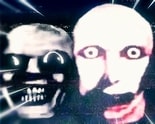






The stimulation meter in Shutter Story does not behave the way most players expect on a first run. It sits quietly at the bottom of the screen through an opening that frames itself as a simple synchronization test, and within a couple of minutes it becomes the thing every other decision revolves around.
| Genre | Analog horror |
| Platform | Browser |
| Runtime | Roughly 15 to 30 minutes |
| Input | Mouse-driven, headphones recommended |
| Accessibility | Adjustable difficulty for mouse-precision sections |
The Stimulation Meter Shutter Story Keeps You Watching
Everything is framed as a controlled test, and the stimulation meter measures how the player responds to it. Move the mouse too quickly and the meter climbs, move it too slowly and the meter drops, and staying inside the safe middle band while flashing images and sudden sounds try to throw off that rhythm is the actual skill being tested.
What catches new players off guard is how little warning the game gives before the meter becomes relevant to survival. A section that looked like a simple visual puzzle can suddenly demand the same steady mouse control the meter rewards.
The stimulation meter is best understood as a second objective running underneath whatever task is on screen, a reminder that composure matters as much as accuracy in Shutter Story.
Test Sequences Inside Shutter Story
The game moves through several distinct challenge types rather than repeating one format. Some sections ask players to spot subtle differences between two nearly identical images while chromatic distortion pulls at the screen edges, others drop the player into a maze with blocks that toggle open and closed on a timer.
Basic questions appear too, covering simple math and pattern recognition, but they rarely stay simple once a flashing eye-like shape starts interrupting the screen mid-answer. The interruptions are timed to break concentration right when a player feels closest to finishing.
This mix keeps the roughly 15 to 30 minute runtime from settling into a routine, since no two sections ask for the same kind of attention.
Sound Design Built to Unsettle
Headphones are recommended for a reason. Audio cues in Shutter Story arrive from specific directions and distances, and a lot of the tension comes from sounds that seem to originate just outside what is visible on screen. Sudden bursts of noise are timed to land during precision tasks, making an already careful mouse movement harder to hold steady.
Played without headphones, some of the more unsettling audio choices blend into the background on speakers. Players who have gone through it both ways describe the headphone version as the more intense one.
The pairing of sound and the stimulation meter is deliberate. A jarring noise right as the meter creeps toward its limit is one of the more talked-about moments among players comparing runs.
Difficulty Options for the Mouse-Heavy Sections
Because so much of Shutter Story depends on fine mouse control, the game includes settings meant to soften that demand without removing it. Reduced-motion options tone down flashing and screen shake, and a separate setting adjusts how forgiving the precision sections are for players who struggle with rapid, small movements.
These options exist because the base difficulty is genuinely steep. Players discussing the maze section split into two camps: those who see the difficulty as the point of an analog horror test, and those who wish the toggles were on by default.
Turning on the reduced-difficulty settings does not skip content, it widens the margin for error, which matters most in sections built around timing rather than reflexes.
The Maze Most Players Get Stuck On
By the time a player reaches the maze section, the game has already established its rhythm of interruptions, which makes the final stretch land harder than it would alone. The path narrows into a tight zigzag late in the sequence, and blocks that were manageable earlier start closing at a pace that punishes hesitation.
This is the point most often brought up when players talk about where a run went wrong. Some manage it on a first attempt through careful movement, while others need several tries once the timing becomes familiar rather than surprising.
Getting through it needs less speed and more a willingness to slow down exactly when the game seems to demand haste, a strange lesson for a horror test but one that holds up across the runtime.
Shutter Story earns its short runtime by never letting a single section overstay its welcome, moving from spot-the-difference puzzles to the maze’s zigzag path before a player fully settles into a rhythm. The stimulation meter ties it together, turning separate tests into one exercise in staying calm while the screen works against that calm.
Comments
There are no reviews yet. Be the first one to write one.