






Pikabuu: STOP

 Loading...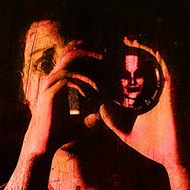
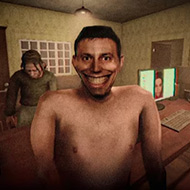


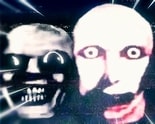






Pikabuu: STOP looks like it should be about quick reflexes, but it plays like a slow crawl through a space that actively wants you disoriented. That gap between expectation and reality is the point of a first-person horror escape game.
Finding Your Way Out in the Dark
The setup is minimal: a dark, enclosed environment, a first-person viewpoint, and the single goal of finding a way out before whatever shares the space catches up. There is no map, no marker toward an exit. Tension comes from not knowing whether the next doorway leads forward or back.
Beginners tend to move too quickly at first, running down corridors the way they would in an action game, and that habit works against them here. Fast movement in near-total darkness means missing small cues, a shifting shadow, a change in ambient sound.
Light, or the lack of it, does most of the heavy lifting in Pikabuu: STOP. Rooms are rarely fully lit, and players build a mental map from partial glimpses. That is what makes the escape framing work: simple to state, hard to execute once visibility becomes the limit.
Tension and Pacing in Pikabuu: STOP
What separates a horror escape game from a straightforward puzzle is pacing. Long quiet exploration is punctuated by short bursts where pressure spikes, and that rhythm is where most of the horror lives.
That pacing choice is genuinely divisive. Some players find the slow build more effective than constant threats, arguing quiet stretches make tense moments land harder. Others find it frustrating once the dread wears off.
Difficulty here is less about skill and more about composure. Nothing demands precise reflexes, but the pressure of moving through a space you cannot fully see makes players rush, and that is when mistakes happen.
- Move slowly and let your eyes adjust before committing to a direction
- Pay attention to sound cues as much as visual ones
- Treat backtracking as useful information, not wasted time
- Expect tension to build gradually, not through constant confrontation
- Stay composed once a space feels unfamiliar again
What makes the escape objective in Pikabuu: STOP feel harder than it sounds?
Finding a way out is simple to state but hard in practice. The environment withholds information through darkness, forcing players to rely on partial cues instead of a clear path.
Why does moving slowly work better than running through the dark?
Running past a corridor skips over small cues, a distant sound, a faint shift in light. The game relies on those cues for tension, so a slower pace reveals more.
Are jump scares the main source of tension in this game?
Not consistently. Long quiet stretches do most of the work, pressure spiking only occasionally, so constant-scare expectations meet a slower pace.
None of this needs elaborate systems to work. A dark room, a single goal, and the growing sense that the space is working against you is enough to carry a horror escape game. Pikabuu: STOP keeps that pressure constant even in its quietest corridor.
Comments
There are no reviews yet. Be the first one to write one.