






SuperSorry

 Loading...





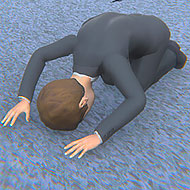
One hit is often enough to end a round in SuperSorry. That fact shapes the pace of the game, since a knockback minigame built around launching opponents off an arena does not need combo strings to feel decisive.
The Arena as the Real Opponent in SuperSorry
SuperSorry drops players into a compact arena where edges matter as much as any opponent inside it. A hit is measured less by damage and more by direction, since the win condition is knocking someone off the platform.
Beginners tend to fight near the center out of habit, as if position barely matters. That is the fastest way to lose, since a hit near the center is nearly harmless while the same hit near the edge ends the match instantly.
Knockback strength scales with how a hit connects, not just whether it connects. A glancing tap barely nudges an opponent, a clean strike sends them flying. Baiting an opponent into a clean hit separates a beginner round from an advanced one.
Reading Opponents and Timing Launches
As matches progress, opponents stop standing still and start dodging predictable swings or circling back toward the center once pushed toward the boundary. That reactive behavior is where the difficulty curve lives, since early rounds reward aggression while later ones punish flat timing.
Advanced play comes down to feints and spacing rather than raw speed. Faking a hit to draw a dodge, then following up once an opponent commits to a movement, is a technique that shows up often.
Arena size varies by stage, and a smaller arena leaves less room for error. A tight arena rewards aggression, a larger one demands patience.
What Makes a Knockback Round Click in SuperSorry
There is a specific satisfaction in landing a clean launch that sends an opponent sailing off the edge, a moment that lands differently than a slow health-bar depletion would. That instant is what a knockback minigame is built around.
Player habits vary. Some treat every round as a reaction test, swinging as soon as an opening appears. Others circle and wait for an opponent to overextend before committing. Watching which style an opponent favors helps counter it.
None of this needs deep systems. SuperSorry keeps its loop, close the gap, bait, launch, consistent from first match to last.
- Does positioning matter more than damage in SuperSorry? Yes. Knocking an opponent off wins the round, so staying off the edge yourself matters more than trading hits.
- Why do hits sometimes barely move an opponent? Knockback scales with how cleanly a hit connects. A glancing tap produces a small nudge, a well-timed strike produces a full launch.
- Do opponents get harder to read as a match goes on? Yes. Later opponents dodge and reposition instead of standing still, so feints beat straight swings.
Strip away everything else and SuperSorry comes down to one moment: reading an opponent’s position and baiting the wrong move. Landing the clean hit that sends them off the arena edge first is what makes a round worth replaying.
Comments
There are no reviews yet. Be the first one to write one.