






House 2

 Loading...


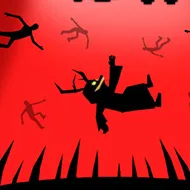



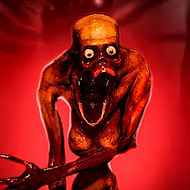
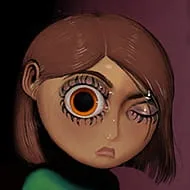
In House 2 you start with almost nothing — no weapon, no map, just Tabby, a house that’s already begun quietly rearranging itself, and Marty the snail tagging along for reasons the game never explains right away. That opening state matters more than it first appears to.
| Genre | Survival horror adventure |
| Setting | A cursed family house during a storm |
| Playable Characters | Tabby and Melody |
| Companion | Marty the snail |
Starting With Nothing and Why That’s Deliberate
Having no tools at the outset forces early exploration rather than early confrontation, and that’s clearly intentional. The first rooms in House 2 are built to teach observation before they ever ask for reaction speed, which is why players who rush the opening tend to miss item combinations that make the mid-game noticeably easier later.
Marty’s role starts here too. He doesn’t do anything dramatic in these early rooms, but his small, easy-to-miss reactions are the game’s quiet way of teaching you to watch the environment instead of just walking through it.
This unhurried opening is also where the tonal contrast with the game’s later pacing becomes clear — what starts as careful, observational horror eventually turns into something closer to sustained pressure, and the shift is deliberate rather than a pacing misstep.
Reading the House Instead of Fighting It
Most threats in House 2 aren’t meant to be fought head-on. They’re meant to be read, avoided, or redirected using whatever the house currently offers you. Players used to more combat-driven horror games often waste early attempts trying to confront threats directly, when the actual solution usually involves manipulating the room itself.
This is where the house’s persistence matters most. A door left open, a light left broken, an item left in the wrong place — all of it stays that way, and threats respond to that lingering mess rather than resetting on a timer.
Zombie Mom, the Frog Lord, and Threats That Punish Specific Habits
- Zombie Mom punishes players who make noise near her after she’s been disturbed once, rather than simply being dangerous on sight.
- The Frog Lord rewards patience and punishes players who try to rush past his territory instead of working around it.
- Both threats teach different lessons about the house’s reactive logic, and recognizing the difference early saves a lot of frustration later.
New players commonly assume every threat behaves the same way — approach quietly, leave quickly. Zombie Mom and the Frog Lord both break that assumption in different directions, which is part of what keeps the mid-game from feeling repetitive.
Husks, Noise, and the Cost of Rushing
Once Husks start appearing, the cost of moving carelessly through the house goes up sharply. They’re drawn to noise more than sight, which flips a lot of the caution players built up earlier — standing still isn’t automatically safe once Husks are active nearby.
This is also roughly where the “speedrun” comparison players make in community threads starts to feel earned. The house stops giving you the luxury of slow, deliberate movement, and some players genuinely enjoy that shift while others find it exhausting after the patient opening hours.
How Melody’s Section Recontextualizes Tabby’s Choices
Once Melody becomes playable, her slower, more observational sections reveal parts of the house Tabby’s perspective doesn’t show directly. Returning to Tabby afterward changes how earlier rooms read, since small details from Melody’s section end up explaining decisions the game never spelled out the first time around.
What the True Ending Quietly Requires
The true ending in House 2 isn’t tied to combat skill or speed — it depends on specific choices toward family members made earlier in the run, several of which don’t look important in the moment they’re presented.
Long-tail questions players ask before starting
- What should you avoid picking up early in House 2? Nothing is strictly off-limits, but items tied to Zombie Mom’s room are easy to misuse before you understand her noise-based behavior, often triggering her earlier than intended.
- Does helping family members always help you? Not always directly, but it consistently matters for the true ending, even in moments that don’t feel connected to the main threat at the time.
- Is there a way to recognize danger faster? Watching Marty closely is the most reliable early tool the game gives you, well before the Husks or the Frog Lord make reading the room genuinely difficult.
Between Zombie Mom’s noise-driven aggression, the Frog Lord’s territorial patience, and a true ending built on choices most players don’t recognize as important until a second run, House 2 asks for more attention than its quiet opening rooms let on.
Comments
There are no reviews yet. Be the first one to write one.
