







How to Play
Gladihoppers is a physics-based 2D gladiator fighting game where wobbly warriors hop, swing, and stumble their way through the arenas of ancient Rome. If you’ve just discovered the game on Gladihoppers and don’t know where to start, this guide walks you through everything a new player needs: how battles work, how your character moves, and how to turn a shaky first fight into a confident victory.
What Makes Gladihoppers Different
Unlike traditional fighting games with rigid animations, Gladihoppers uses ragdoll-style physics for every gladiator. Your fighter’s limbs, weapon, and balance all react to momentum, gravity, and the force of every swing. This means no two fights ever play out exactly the same way. A perfectly timed strike can send an opponent’s helmet flying, while a clumsy jump can leave you flat on your back in the sand. Understanding this physics-driven core is the single most important step to improving at the game.
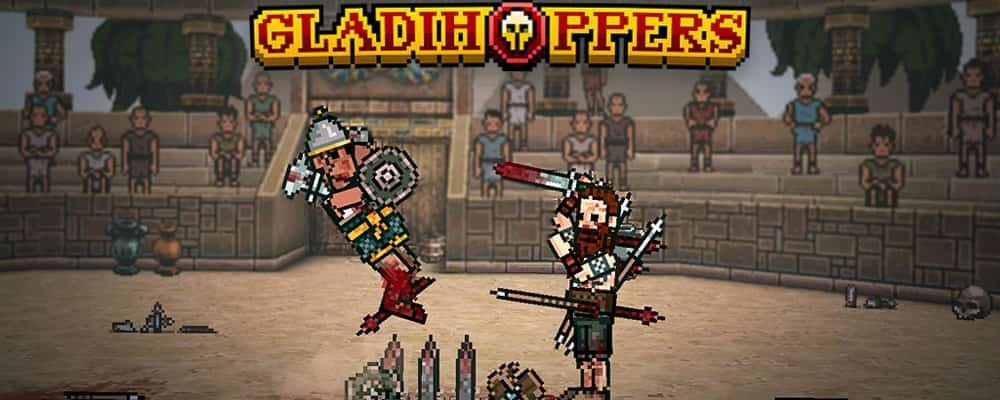
Because your character can lose balance mid-fight, positioning matters just as much as raw attack speed. Players who rush in blindly usually get punished, while players who study distance, timing, and stance tend to win far more often. Before diving into combat, it helps to get comfortable with basic movement in a low-pressure setting.
Your First Steps in the Arena
When you launch the game for the first time, you’ll typically be guided through a short training stage. Use this time wisely — it introduces the core inputs you’ll rely on for the rest of the game. Here’s what to focus on during your first sessions:
- Get a feel for how your gladiator moves and how momentum carries between steps.
- Practice jumping and landing without losing your footing.
- Try both attack stances to see how each one changes your swing arc.
- Throw a spear or javelin at a stationary target to learn the arc and timing.
- Block an incoming attack and notice how much stamina or balance it costs you.
For a full breakdown of every key and touch input, check out our dedicated guide to Controls & Stances, which covers both desktop and mobile setups in detail.
Understanding the Core Loop
At its heart, Gladihoppers is built around a simple loop: fight, earn rewards, upgrade your gladiator, and fight again. Whether you’re playing through a story-driven career or jumping into a fast arcade session, the same basic combat rules apply. Here’s a quick summary of that loop:
| Stage | What Happens |
|---|---|
| Preparation | Choose your gladiator, review your gear, and pick a weapon and stance you’re comfortable with. |
| Combat | Fight one or more opponents using timed strikes, blocks, jumps, and thrown weapons. |
| Reward | Earn coins, fame, or items depending on how well you performed in the arena. |
| Progression | Spend your rewards on new weapons, armor, or upgrades before your next bout. |
This loop repeats across every mode, but the pacing and stakes change depending on what you’re playing — from a slow-burn Career campaign to a fast round of Quick Fight.
Reading the Fight
Every duel in Gladihoppers comes down to reading your opponent’s movement and reacting at the right moment. Because the combat is physics-based rather than animation-locked, you can often tell what’s coming by watching how your opponent shifts their weight before swinging. New players tend to focus only on their own attacks, but experienced fighters spend just as much time watching the enemy.
A few habits will noticeably speed up your learning curve:
- Watch your opponent’s weapon arm, not just their feet.
- Keep enough distance that you can react to a swing instead of eating it.
- Don’t attack immediately after landing a jump — you’re often unbalanced for a split second.
- Use short taps of movement rather than holding a direction for long stretches.
- Save your ranged throw for moments when your opponent is repositioning.
Choosing Your Gladiator and Weapon
Early on, you’ll be able to pick from fighters representing different in-game civilizations, each with its own visual style and subtle attribute differences. If you’re not sure which one fits your playstyle, our Civilizations guide breaks down what separates them. Weapon choice matters just as much as character choice — swords offer balanced speed and reach, axes and maces hit harder but swing slower, and spears let you poke from a distance or throw for ranged damage.
Progressing Through Career Mode
If you start with Career mode, you’ll take a gladiator from an inexperienced rookie all the way up through tougher opponents and bigger rewards. Winning fights earns coins and fame, which you can spend on better weapons, armor, and staff members like trainers or priests who offer useful bonuses. Losing isn’t necessarily the end of a run, but it usually means missing out on rewards, so it pays to only take fights you’re prepared for.
As you climb, you’ll notice enemies hit harder and react faster, which means the habits you build early — spacing, timing, stance switching — become essential rather than optional. Many players find it helpful to occasionally return to Quick Fight or Practice sessions to sharpen specific skills without risking their Career progress.
Common Beginner Mistakes
Most new players lose fights for a handful of repeatable reasons. Recognizing these early will save you a lot of frustration:
- Over-committing to attacks: swinging wildly leaves you open when the strike misses.
- Ignoring stance switching: sticking to one stance makes your attacks predictable.
- Fighting at the wrong range: standing too close negates the advantage of longer weapons.
- Skipping upgrades: heading into harder fights with starter gear.
- Panicking under pressure: mashing inputs instead of resetting distance and breathing.
For a deeper look at how to avoid these pitfalls and start winning consistently, head over to our Tips & Strategy page, where we break down timing windows, spacing habits, and career-building advice in more detail.
Playing With Others
Once you’re comfortable with the basics, Gladihoppers opens up into a genuinely social game. You can challenge a friend on the same device in local split-screen duels, or test your skills against other players online. Multiplayer fights tend to be faster and less forgiving than fights against the computer, since real opponents adapt to your patterns instead of following predictable routines. Our Multiplayer guide explains the differences between local and online play and how to prepare for both.
Keep Exploring
Gladihoppers rewards curiosity. Beyond straightforward combat, the game hides small secrets for players willing to experiment — including special names you can give your gladiator that unlock unique gear you won’t find in the regular shop.
Setting Realistic Goals as a New Player
It’s tempting to compare yourself to players who breeze through Career mode or dominate online lobbies, but Gladihoppers has a genuine learning curve built on muscle memory rather than memorized combos. Give yourself permission to lose fights on purpose while you’re testing new stances or weapons — a Practice modes session or a low-stakes Quick Fight is a much better place to experiment than the middle of a ranked online duel. Set small, achievable goals for your first few hours:
- Win a fight using only the lower attack stance.
- Land three javelin throws in a row against a moving target.
- Finish a Career fight without ever blocking, relying purely on spacing.
- Try every starting weapon type at least once before settling on a favorite.
Small challenges like these build the reflexes you’ll need later without the pressure of a real match, and they naturally lead into more advanced strategy once you’re ready for it.
A Quick Glossary for New Players
Gladihoppers has its own vocabulary that can be confusing the first time you read a patch note or a community guide. Here’s a short reference table to help you follow along:
| Term | Meaning |
|---|---|
| Stance | The current attack posture of your gladiator, which determines swing angle and reach. |
| Fame | A progression currency earned in Career mode, often tied to your gladiator’s overall standing. |
| Ludus | The training school where your gladiator lives between fights and gets upgraded. |
| Ragdoll | The physics system controlling how limbs and weapons react to force and momentum. |
| Priest | A hireable staff member connected to gladiator naming and certain hidden bonuses. |
Whether you’re here for a quick arena brawl or a full career campaign, the fundamentals stay the same: watch your opponent, manage your distance, pick your moments, and don’t be afraid to lose a few early fights while you learn the rhythm of the arena. Every legendary gladiator started as a rookie who kept getting back up, and with the guides linked throughout this page, you’ll have everything you need to speed up that journey in Gladihoppers.