





Survive Min

 Loading...



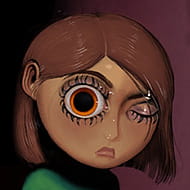


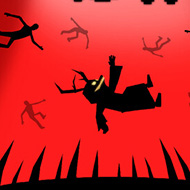

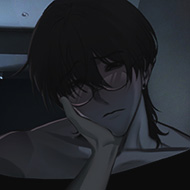
There’s no map in Survive Min, no inventory, no weapon to pick up — just a chair, a closed door, and Min sitting close enough that his attention feels like pressure on your chest. Developer @FATHER built this yandere horror visual novel around a single unbroken conversation, and stripping away every standard horror tool is exactly what makes it work.
Survival as an Exercise in Reading Tone
Nothing about Survive Min asks for combat reflexes or puzzle logic. The only skill in play is reading Min’s shifting temperature line by line — a polite answer can register as fear, a confident one can register as an invitation, and neither choice is ever guaranteed to be the safe one.
Min: Consistently Inconsistent
Community descriptions of Min keep landing on the same phrase — consistently inconsistent — because his affection and his volatility live in the exact same register. He can turn from playful to murderous over something that looked completely harmless a line earlier.
The Moment Players Call “Kyay Zu”
A specific tonal break, nicknamed by fans as the “kyay zu” moment, has become the scene most first-time players cite as the point where Survive Min stopped feeling manageable. It’s unpredictable enough that even careful, attentive players get caught off guard by it.
Nine Endings Built for Replay
With nine documented endings, several of them sudden deaths, the entire structure of Survive Min pushes toward repeat playthroughs. Once you’ve seen how one conversation resolves, the pull to try a kinder, colder, or more honest version becomes hard to resist.
Why Pacing Matters More Than Reflexes
Rushing through dialogue by spam-clicking is the single fastest way to undercut the experience, since Survive Min leans heavily on silence and pacing rather than jump-scare timing to build its dread.
- Is Survive Min scary without traditional jumpscares? Yes — the tension comes from proximity and interpretation rather than sudden stingers, which is a large part of why it reads as psychological rather than reflexive horror.
- What does the “kyay zu” moment actually refer to? It’s a fan-coined name for one specific unpredictable beat in Min’s behavior, not an official in-game term, but it’s become shorthand across the community for the scene.
- Should you replay Survive Min immediately after finishing it? Most players do, largely because the nine-ending structure rewards testing different tones of response almost right away while the first ending is still fresh.
Survive Min proves horror doesn’t need scale to land — just one room, one presence, and a player who has to decide, line by line, whether Min means what he’s saying. As a first solo project built in Ren’Py, it’s a strikingly confident piece of minimalist horror design.
Comments
There are no reviews yet. Be the first one to write one.