





Meikyuu Kumikyoku

 Loading...






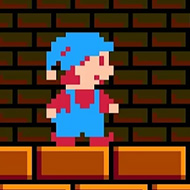
Meikyuu Kumikyoku looks, at a glance, like any other charming NES platformer from 1986 — bright colors, a friendly hero, a castle to explore. It plays like something far crueler, a game where a single touch from an enemy costs you health with zero forgiveness window, and where half the level design is invisible until you’ve already guessed correctly.
Milon’s Bubbles: Weapon and Detective Tool in One
Milon has no sword, no gun, just bubbles blown from his own body, and those bubbles serve double duty — they damage enemies, and they’re the only way to trigger the invisible objects hidden throughout Castle Garland. Nothing in a room’s visual design tells you where those triggers sit, which is exactly why Meikyuu Kumikyoku still gets brought up in retro difficulty discussions decades later.
A Castle That Only Opens Floor by Floor
Castle Garland is split into four stories, each locked behind the boss guarding the one below it. Getting to that boss is frequently the hard part, since the actual route is buried behind bubble-triggered secrets rather than any visible path.
No Blink, No Buffer
Unlike most platformers of its era, Milon doesn’t flash or gain temporary invincibility after being hit, which means standing still after a single touch can chain into losing most of his energy bar almost instantly. That absence of a forgiveness window is the single most-cited reason players call the game frustrating.
Queen Eliza, Maharito, and the Missing Music
The plot frames Milon’s journey as a response to Maharito seizing Hudson Land’s musical instruments, with Queen Eliza sending him off before the adventure even starts. It’s a lighter narrative wrapped around genuinely unforgiving mechanics.
The First Crystal Changes Everything
There’s no save system in the original release, and running out of lives simply ends your attempt — unless you’ve already reached the first crystal, which unlocks the ability to continue. Runs before that point carry a completely different level of pressure than anything after it.
What did the Game Boy port change about the difficulty?
Milon no Meikyuu Kumikyoku, the 1993 Game Boy release, added a password system and adjusted room sizes, softening some of the brutal structure the original NES version was known for.
Why do bubbles matter more than combat in this game?
Because the bubble mechanic doubles as both offense and exploration, mastering it matters more for progression than raw combat reflexes ever could.
Meikyuu Kumikyoku rewards a kind of patience most modern platformers never demand — treat every room like a puzzle instead of a race, and Castle Garland slowly starts to make sense, one bubble-triggered secret at a time.
Comments
There are no reviews yet. Be the first one to write one.