









ASWANG HUNTER


 Loading...



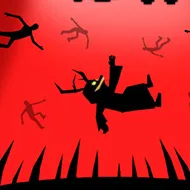






Aswang Hunter looks like a slow-burn horror walk through a rural house, but it plays like a tactical combat game wearing a ghost story’s clothes. The first twenty minutes will have you talking to a worried family and checking window latches. The next ten will have you managing two independent arm hotkeys against something that used to be human.
A Night Watch, Not a Base Defense
The setup is simple on paper: livestock turning up drained, scratching on metal roofs, families in remote barangays too scared to sleep. You’re the independent hunter sent to find out what’s actually happening, and unlike a lot of survival horror, there’s no crafting hub or fortified home base backing you up. You work with whatever the household gives you.
That constraint shapes everything downstream. The properties you’re protecting are low-income and structurally exposed, so the game leans on your attention and preparation rather than gear you’ve stockpiled over a long campaign.
The Quiet Hours Before Aswang Hunter Turns Violent
You spend the early game talking with family members and assessing the property during the quiet twilight hours — a stretch that’s easy to undervalue on a first playthrough. What you hear here directly informs which windows and rooms matter once the passive silence shatters near midnight.
Rushing through this phase is the single fastest way to walk into the hunt unprepared.
Window-Watching and the Cost of Hesitation
The moment the clock passes midnight, Aswang Hunter asks you to monitor the house’s windows for subtle atmospheric shifts — a flash of glowing red eyes, or a grotesque silhouette moving past the glass. These signals are brief on purpose. A single delayed decision means irreversible, brutal tragedy for whoever’s exposed in that moment, and the game doesn’t cushion that outcome with a warning or a retry.
Players drawn to the horror side of the game tend to describe this section as the most effective part of the whole experience, precisely because nothing about it is scripted-jumpscare predictable — it’s built on real attention and real cost for looking away too long.
Independent Arms, One Shared Stamina Bar
Once a monster breaches the walls, combat takes over, and Aswang Hunter’s signature mechanic is controlling your left and right arms with separate hotkeys instead of one universal attack input. You can commit one arm to an aggressive strike while holding the other back to block, which turns fights into a constant balance of offense and defense rather than a single combo string.
Every strike and every calculated block pulls from the same stamina bar, and blind button-mashing leaves you completely defenseless — a design decision that filters out players hoping to brute-force their way through. Tactical, methodical players tend to have a much easier time here than players used to reflex-heavy action games.
Weapons You’ll Actually Be Fighting With
Some weapons are scavenged directly from the rural environment around the property, like knives and hammers picked up out of desperation. Others — bolos and bamboo spears — are earned as traditional weapons from the grateful families you’ve protected, which gives repeat playthroughs a small but real sense of progression tied to how well you’ve done your job.
Wakwak, Tiktik, and Manananggal Are Smarter Than They Look
The folklore behind Aswang Hunter isn’t decoration. The vicious Wakwak, the creeping Tiktik, and the flying, torso-detaching Manananggal are all written as intelligent and self-preserving rather than mindless attackers. Pushed close to death, each one tries to flee back into the night instead of fighting to the finish.
That flight attempt is where the execution minigames come in — short, rapid-fire sequences meant to finish the creature off before it escapes. Miss the window, and it retreats, recovers, and reinvades later in the night with an insatiable hunger, effectively giving you a second, harder fight against the same threat. It’s a mechanic players are already split on: some see it as the smartest tension tool in the game, others see it as one missed input punishing you disproportionately for an otherwise clean fight.
How Pressure Builds Across a Single Night
Early in the game, a single household with a single incoming threat is manageable once you’ve learned the window cues. By the time a Manananggal has escaped one execution attempt and doubled back, you’re juggling stamina management, a second exposed window, and the memory of which weapon you’re still carrying — all layered on top of each other.
This is where community vocabulary starts showing up around the idea of a “clean night” versus a “bleed-through” night, shorthand for whether every threat got fully executed the first time or whether something came back to finish the job later.
Frequently Asked Questions
What’s the actual difference between the scavenged and earned weapons in Aswang Hunter? Scavenged weapons like knives and hammers are found directly around the rural property, while earned weapons like bolos and bamboo spears come specifically from grateful family members after you’ve protected them well.
Why does Manananggal keep coming back after I thought I killed it? Any monster that escapes its rapid-fire execution minigame doesn’t die — it retreats to recover and reinvades the same night, returning hungrier and more dangerous than the first encounter.
Is the two-arm combat system worth learning for someone new to horror combat? Yes, though it takes a few nights to feel natural. Managing left-arm and right-arm hotkeys against a shared stamina bar rewards patience over speed, which ends up being more approachable than reflex-heavy alternatives once it clicks.
Aswang Hunter earns its tension the hard way — through quiet conversations that matter later, windows that punish a wandering eye, and a Manananggal that refuses to die politely on the first try. Survive one full night in that barangay house, and you’ll understand why the game asks you to slow down before it lets you fight.
Comments
There are no reviews yet. Be the first one to write one.