







Chibi Monster Girls



 Loading...









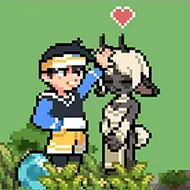
In Chibi Monster Girls you start as a newly appointed Keeper with an empty garden, a handful of coins, and no eggs — which matters, because every decision in the first ten minutes determines how cleanly the coin loop establishes itself before your first Monster Girl hatches and immediately starts telling you she’s hungry.
What Beginners Get Wrong in Chibi Monster Girls
The most common early mistake is spending the first coins on keeper tab upgrades before securing a stable expedition route. Expeditions bring eggs, eggs hatch into Monster Girls, and Monster Girls produce coins when healthy. Players who invest in the keeper tab immediately end up with upgrades but nothing to apply them to. The better order is to get at least one expedition running, evaluate what comes back, then make keeper tab purchases against what is actually in the garden.
Diet is the second trap. Each species has different dietary requirements, and the game does not spell this out. Feeding a species the wrong item wastes it and does nothing for her hunger stat — by the time the warning icon appears, she is already close to a sick state. The third mistake is ignoring the wish popup system, which appears separately from stat warning icons. Responding to wishes produces small happiness and social boosts that accumulate across a session. Players who skip these miss a low-effort optimisation that makes the difference between a Monster Girl who cycles through bad states repeatedly and one who stays consistently above threshold.
Expedition Strategy and Building a Sustainable Roster in Chibi Monster Girls
Choosing which of the 3 expedition routes to prioritise is the game’s primary strategic decision. Different species have different stat profiles — a species with a high hunger rate needs more frequent attention; a species with a high Social baseline will enter the yell state more often, which is both an interaction signal and a passive happiness benefit. Color variants add a second layer: above Tier I, each tier carries stat modifiers that push specific numbers above or below the species baseline. Without egg inspection upgrades from the keeper tab, you commit to hatches blind. With them, you can see the time remaining and, for Tier I+ eggs, the projected stat adjustments before hatch.
Once you have 3 or more adults producing coins, expedition planning shifts from sourcing first hatches to active optimisation. Sending expeditions across different routes and evaluating what returns against your current garden gaps gives the mid-game a goal structure that goes beyond stat management. Players who enjoy the collection side of virtual pet games find this the point where Chibi Monster Girls opens up most visibly.
The Happiness Loop and the Yell State
Happiness is the long-cycle metric beginners under-monitor. Unlike hunger, which spikes from a single missed feeding, happiness degrades gradually through accumulated bad states left unaddressed too long. This slow drift makes it easy to feel like the garden is stable until you notice the indicator has been quietly declining for half a session. The yell state is the most direct feedback mechanism: a Monster Girl whose Social stat is high enough will occasionally approach the keeper rather than staying in place, skipping one standard bad state and preventing the associated happiness loss. A high-Social Monster Girl is partially self-correcting in a way that lower-Social variants are not.
There is a more advanced layer that most players don’t consciously address until something goes wrong: species with different stat profiles interact with the happiness loop differently. A high-hunger-rate species in a garden without upgraded feeding capacity will drag happiness down faster than a high-Social species can offset through yell state interactions. Recognising this mismatch early — and correcting roster composition through targeted expedition runs — is what separates reactive keepers from deliberate ones.
The Chibipedia and Long-Term Collection Goals
The Chibipedia, added in version 0.3.0, gave Chibi Monster Girls a collection axis it previously lacked. Raising any species to adulthood for the first time unlocks a short lore entry; raising 5 adults of the same species unlocks a second, more detailed one covering species behaviour and ecology. Color variant encounters are tracked here alongside a total raised-adult count per species. For players who enjoy completionist progress, this retroactively gives meaning to expedition runs you were already taking — and since both entries require 5 adults per species, the current roster of 6 Monster Girls has considerably more depth than the number alone implies.
Frequently Asked Questions About Chibi Monster Girls
What happens when a Monster Girl gets sick?
A sick Monster Girl stops producing coins until she recovers. She does not die, but the income loss is significant if multiple adults are affected simultaneously. Sickness results from sustained neglect of dangerously low stats. Recovery is automatic once the underlying stat is addressed, but the coin gap during that period can slow keeper tab progression meaningfully, particularly early in a run when every coin counts.
Can I play on Linux?
Yes, using the native Linux build with a Vulkan-compatible GPU. Running the Windows version through Proton causes problems including a broken transparent background, which removes one of the core visual features of the desktop pet format. The developer documents this in the game’s notes. If you are on Linux and experiencing display issues, confirm you are running the native build and not the Windows version via compatibility layer.
How does the Chibipedia unlock?
The first entry for a species unlocks by raising one adult of that species. The second, more detailed entry requires raising 5 adults of the same species. Color variant encounters and adult counts update automatically. If you have been expeditioning across multiple routes without tracking coverage closely, the Chibipedia will often reveal species gaps that make the next round of expedition planning feel purposeful rather than routine.
Chibi Monster Girls reaches its best state once the garden has enough adults running that survival pressure lifts and deliberate optimisation begins — choosing tier variants for their Social stats, targeting Chibipedia entries through focused expedition routes, and watching the yell state function as a background signal that the happiness loop is finally working the way it should.
Comments
There are no reviews yet. Be the first one to write one.