



FEED THE FISH


 Loading...

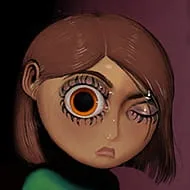

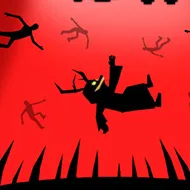



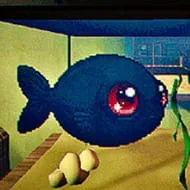
You drop a pinch of food into the tank, watch the little black fish dart up to eat it, and for a few minutes FEED THE FISH feels almost too calm to be called a horror game. Then the fog outside your trailer window thickens, the sky starts bleeding into a sickly red, and the quiet chore you signed up for stops feeling like a chore.
| Genre | Adventure / Psychological Horror |
| Platform | Windows |
| Perspective | First-person |
| Average Runtime | 10–15 minutes |
| Community Rating | 4.4 out of 5 (31 ratings) |
Inside the Trailer: What FEED THE FISH Actually Asks of You
The setup could not be simpler on paper. You move around a cramped trailer with WASD, look around with the mouse, and interact with E or a left click. Your one job is to keep the fish fed before it starves, and the game trusts you to figure out the rhythm of that on your own instead of dropping a tutorial on top of you.
What separates this game from a plain chore simulator is how little the fish itself explains. It just sits in its tank, waiting, and every time you feed it the moment carries a little more weight than the last, especially once you notice it changing shape between visits.
Newer players tend to treat the feeding loop as filler between scares, which is a mistake. Skipping a feeding, even once, seems to nudge later scenes in a rougher direction, and the game never tells you that outright.
Reading the Fog: Signs Something Is Wrong
Early on, the trailer feels almost cozy, lit warm against the dark outside. The first real tell that something has shifted is the color of the sky, which slides from an ordinary dusk into that sickly red without any cutscene announcing it.
By the time the fog has fully rolled in, distorted faces start appearing at the edges of your vision, gone the moment you turn to look straight at them. It is a small trick, but it works because the game never confirms whether you actually saw anything.
Right-click zoom becomes genuinely useful here, not just a gimmick, since a few of the game’s best unsettling details are only visible if you stop and actually peer into the dark instead of walking past it.
The Neighbors and the Cult Undercurrent
Once you start paying attention to the world outside your window, the neighbors stop feeling like set dressing. Players consistently describe the same handful of impressions once the game’s second half kicks in:
- Lights in nearby windows flicker on patterns that don’t match anyone actually moving inside
- Figures gather outside in ways that read as ritual rather than coincidence
- Sound design leans on chanting-adjacent noise that never resolves into clear words
None of it is explained directly, which is exactly why the analog-horror-meets-cosmic-horror label gets used so often by people discussing FEED THE FISH online. The dread comes from implication, not exposition.
The Text File Nobody Warns You About
The generated text file: partway through a playthrough, the game quietly writes a .txt file onto your actual computer, outside the game itself, as part of the fiction rather than a bug. It’s a small piece of environmental storytelling that blurs the line between the trailer on screen and the desktop you’re sitting at, and it catches most first-time players completely off guard.
Streamers in particular tend to react to this moment harder than anything scripted inside the game, since it briefly makes the horror feel like it’s happening on their own machine rather than someone else’s.
Why the Ending Splits the FEED THE FISH Community
Where opinions genuinely divide is the ending. A large share of comments land on some version of “I don’t know what happened, but I liked it,” and a smaller but vocal group finds the abruptness frustrating after the slow-burn buildup.
The game leans hard into ambiguity rather than answers, closing on the fish itself in a state that reads as a reward, a punishment, or both depending on how closely you fed it and how much of the surrounding fiction you bothered to piece together. Some players treat this as the point; others just want a straight explanation.
What happens if you don’t feed the fish?
Neglecting the fish doesn’t just fail a task, it appears to color the tone of the trailer around you, with reviewers reporting rougher, more aggressive scares tied directly to how consistently they kept it fed.
Does looking out the window end the game?
The title’s warning is more about tone than a hard fail state. Looking outside won’t instantly finish the game, but it does trigger some of the strongest visual scares, so it’s less a rule to obey and more a dare the game is putting in front of you.
What does the text file in FEED THE FISH actually do?
It’s a scripted piece of the experience rather than a save file or a bug, generated on your real desktop to make the fiction spill outside the game window. It doesn’t affect progression, but it’s core to the game’s uncanny effect.
For a bite-sized experience, FEED THE FISH earns its reputation by trusting silence and small domestic details over jump scares alone, and the sight of that fish waiting in its tank on your final visit is the kind of image that sticks with you well after the trailer fades to black.
Comments
There are no reviews yet. Be the first one to write one.