





Hi, What’s Your Emergency

 Loading...



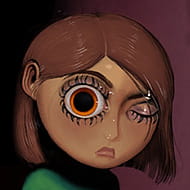
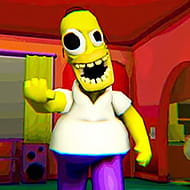

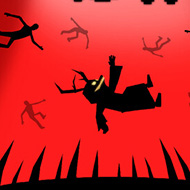

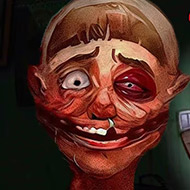
Every wall, doorknob, and shadow in Hi, What’s Your Emergency was drawn by hand with a mouse, using a default brush, a stock color palette, and lettering that looks scrawled in a school notebook. There is no polished lighting here and no voice cast either — the screams, creaks, and door slams were made with someone’s own mouth instead of a sound library. You play as Mr. Anderson, locked inside a house with no clear way out, and the only path forward is finding two house keys hidden among the cluttered, crookedly-drawn rooms.
| Genre | Point-and-click escape room |
| Main character | Mr. Anderson |
| Objective | Find two house keys and escape |
| Art style | Hand-drawn MS-Paint style visuals |
| Audio | Human mouth-made sound effects |
| Setting | A single locked house |
What makes Hi, What’s Your Emergency stand out isn’t a twist ending, it’s the commitment to a joke about presentation. Every asset, from doors to furniture to Mr. Anderson’s own portrait, looks like it was made in under a minute with a mouse. The crude linework becomes part of the comedy, because the puzzles underneath are built with the same care you’d expect from a far more expensive-looking release.
The Hand-Drawn Look That Defines Hi, What’s Your Emergency
The visual identity isn’t an accident of low effort, it’s a constraint the whole house was built around. Every object, from a kitchen cabinet to a scrap of paper on the floor, is rendered in the same wobbly, uneven line weight, as if someone sketched the whole home in one evening without switching brush size.
That consistency matters more than it sounds like it should. Newcomers assume the crude look means lazy puzzles, and that assumption is usually what trips them up first, because the hunt for both keys is genuinely deliberate. Players who stream their first runs tend to spend the opening minute just laughing at the art before touching a single object.
Once the shock wears off, the real business of searching begins, and the tone shifts from amusement to focus on where the other key might be hiding.
Mr. Anderson and the Two-Key Objective
The premise is stripped down on purpose: Mr. Anderson is locked in, and escape means finding two separate house keys before anything else matters. There’s no lengthy backstory and no map overlay telling you where to look. You’re dropped into a hallway and left to figure out which rooms are worth opening first.
Because the objective never branches, the experience becomes a test of observation rather than reflexes. Nothing chases Mr. Anderson through the house and nothing punishes slow play, so the tension comes purely from not knowing whether you’ve already walked past a key tucked into a drawer.
That single, unchanging goal is why the pacing holds together even though the game is short. Every room either has a piece of the answer or a red herring drawn to look exactly like it might, and separating the two is the whole point.
Searching Rooms Without a Hint Bar
Early on, most players click every visible object once, assume that’s a complete search, and move on. Hi, What’s Your Emergency rewards a slower approach, since several interactive spots blend into the background because the art style makes everything look equally rough and equally suspicious.
This is where the deliberate puzzle design shows through the joke. Combining objects, revisiting rooms after finding a new item, and paying attention to small details drawn slightly differently from their surroundings all matter. Beginners often miss connections between two items found in completely different rooms.
- Re-checking rooms after picking up a new item, since some spots only respond once you’re carrying the right object
- Looking for objects drawn with slightly more detail than their surroundings, a subtle tell for interactivity
- Testing combinations between items instead of assuming each one has only one use
By the time you’ve cleared most of the house, the search stops feeling random and starts feeling like a genuine puzzle box.
The Mouth-Made Sound Design
The audio is the detail people bring up most after finishing the game. Instead of recorded effects or a stock library, every creak, thud, and vocal cue was performed with a human mouth, mixed in without any attempt to disguise that fact. Footsteps, impacts, and ambient house noises all get the same treatment.
Rather than undercutting the atmosphere, this choice reinforces the tone the whole package is going for. It would be easy for a joke-premise game to feel thin after the first laugh, but pairing hand-drawn visuals with homemade audio keeps every room feeling unpolished and intentional at once.
Players describing it to friends usually mention the sound before the puzzles. It’s the detail that makes the whole house feel handmade from top to bottom.
Where the Difficulty Actually Creeps In
The opening rooms are forgiving, mostly because there are only a handful of objects to check and the house hasn’t opened up yet. Difficulty ramps up once more rooms open up — a scrap of paper found early might not make sense until you’re standing in a different room minutes later.
This is a fairly common escape-room structure, but the game leans harder into visual misdirection than most, since the crude art style makes it genuinely harder to separate an important clue from background clutter.
By the point you’re circling back through rooms a second or third time, most players stop trying to click every pixel and start thinking more like Mr. Anderson would: methodically, checking what’s changed since the last item was picked up.
What Longtime Escape-Room Players Notice First
People who’ve played a lot of browser escape rooms tend to clock two things immediately. The puzzle logic is tighter than the visuals suggest, with very few dead ends that don’t connect back to the two keys, and the house doesn’t pad itself out with filler rooms.
Among players who follow small indie escape-room releases, the game has built a reputation around being funny without sacrificing the puzzle-solving. It’s frequently mentioned as one of the funnier entries in its category.
One thing worth being upfront about: the rough presentation isn’t for everyone, and some players bounce off the lo-fi look before giving the puzzles a real chance, a fair criticism even from people who otherwise enjoyed finishing it.
The Humor Baked Into Hi, What’s Your Emergency
The comedy isn’t confined to the art style alone. Small details — a poorly drawn portrait, an oddly specific note, the mismatch between a serious voice line and its obviously homemade delivery — are placed throughout the house in a way that suggests the joke was planned as carefully as the puzzles were.
The comedic tone gives the search for both keys a lighter feel, even though Mr. Anderson’s situation — locked in, no explanation given — is a fairly grim setup on paper.
It’s a rare combination: a game whose humor and whose puzzle design are both taken seriously at the same time, instead of one propping up a weaker other half.
Is Hi, What’s Your Emergency scary or is it a comedy game?
It’s built as a comedy escape room rather than a horror game — the premise of being locked in sounds ominous, but the hand-drawn art style and mouth-made sound effects are played for laughs rather than dread. Mr. Anderson’s situation is tense in a puzzle sense, not a horror sense.
How long does it take to find both house keys?
Most first-time players spend a solid chunk of their session searching rooms and testing objects before locating both keys, since nothing is marked as obviously important. A second playthrough, once you know where each key is hidden, takes a fraction of that time.
Why does the game sound so different from other escape-room games?
Because none of the audio comes from a standard sound-effects library — every creak, thud, and vocal cue was performed with a human mouth instead of recorded foley, which is the detail most players bring up first when describing the game to someone who hasn’t tried it.
Underneath the crooked linework and the homemade screams, Hi, What’s Your Emergency is a genuinely well-built two-key escape room, and Mr. Anderson’s room-by-room search ends up being far more absorbing than the silly art style first suggests. It’s the kind of game remembered less for its plot and more for the moment a hand-drawn door creaks open with someone’s own voice standing in for the sound effect.
Comments
There are no reviews yet. Be the first one to write one.